
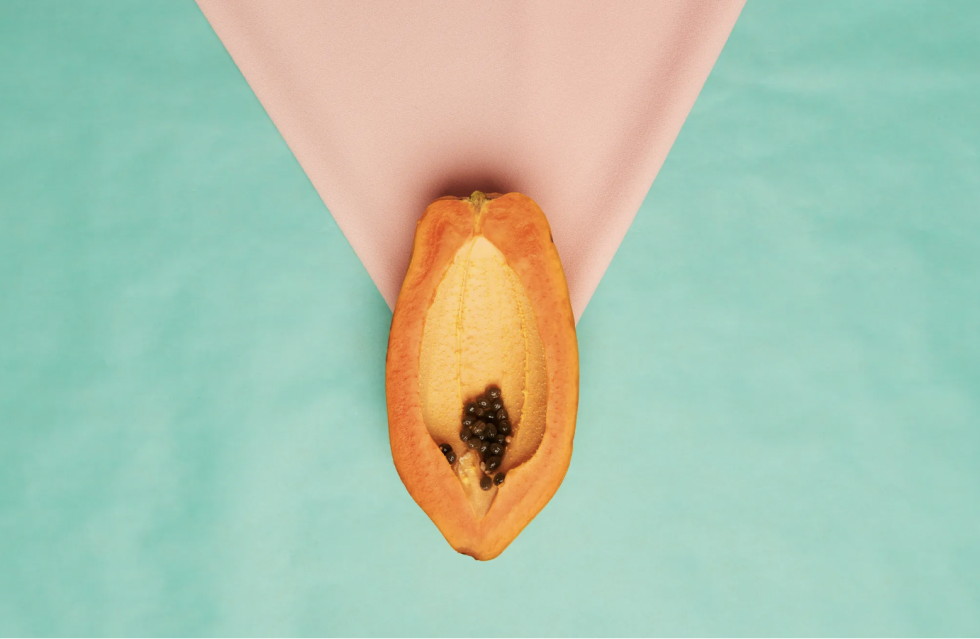
The pelvic floor is a group of muscles and tissues located near lower abdomen which keeps the uterus, bladder and intestines in place. The muscles squeeze and relax so you can control your pee, poor and passing gas. It also plays an important role in vaginal delivery, vaginal contractions during sex and orgasm.

In pregnancy, hormonal changes cause the pelvic floor muscles to soften and stretch. These changes, along with the weight of your growing baby, put extra strain and could weaken the pelvic floor. The pelvic floor weakening can then lead to urinary leakage while coughing or sneezing among other pelvic health issues such as reduced sensation in the vagina leading to lower sexual pleasure, pain during sexual intercourse, faecal incontinence and frequent/painful urination. Sometimes, it can also lead to Pelvic Organ Prolapse (POP) wherein the pelvic floor can no longer support the pelvic organs, and it drops into the vagina.
Although these conditions may seem worrisome, there are many easy exercises to re-strengthen the pelvic floor, these include:
Kegels are one of the most effective exercises for strengthening the pelvic floor. To perform this, tighten the muscles you use to stop urination and hold for a count of 5-10 seconds, then relax. Repeat this exercise 10-15 times, three times a day.

Bird-dog are a great exercise to target the holistic body. To do this, get down on your hands and knees (preferably on a mat), place your wrists below your shoulders and your knees under your hips. Remember to keep your back is as straight as possible. Simultaneously, straighten and lift your right leg and left arm. Maintain the rest of your body in a neutral position and hold for 5 seconds. Lower your arm and leg back down to their original position and repeat with the opposite side. Try doing 3-5 sets.
Glute Bridge is another exercise that targets the pelvic floor, glutes and lower back. Lie on your back with your knees bent and feet flat on the floor. Lift your hips up towards the ceiling, squeezing your glutes at the top. Lower back down and repeat 10-15 times, as shown beside.
It’s important to consult with a pelvic health specialist in the case of urinal/fecal incontinence, painful urination/bowel movement, feeling the frequent need to urinate, pain during sexual intercourse or Pelvic Organ Prolapse if you feel something weighing down on your vagina. It is also good to confer with a professional before starting rigorous exercise programs, especially after childbirth.
Here are some Pelvic health specialists in Hong Kong that might be able to help:
1. Central & Stanley Wellness:
-
https://www.stanleywellnesscentre.com/our-services-hong-kong/women-s-health
- Central Wellness. 6/F, 15 On Lan St, Central, HK
- 2866 0287
-
reception@stanleywellnesscentre.com
2. Physio Central Body Science:
3. Combined Women’s Specialist Clinic:
-
- Unit 701-2, 7/F., 8 Humphreys Avenue, Tsim Sha Tsui, Hong Kong (MTR Exit A2)
- (852) 2376 7228
-
enquiry@combinedwomen.hk
4. Joint Dynamics Evolve:
-
https://www.jointdynamics.com.hk/services/evolve-womens-health
- 5/F & 6/F Asia Standard Tower, 59-65 Queen’s Road Central, Central, Hong Kong
- +852 2762 0528
-
admin@jointdynamics.com.hk

Sanchal Sanchayyan
Hello! I am Sanchal, a Hong Kong-Indian Medical graduate from HKU. My aim is to utilize my medical training and knowledge to produce bite-sized, well-researched articles to help parents make informed decisions. I am an avid reader, writer and traveller and hope to make a positive impact to thousands of lives in the decades to come!
Leave a Reply