What is a confinement nanny in Hong Kong?

If you’re a mother-to-be in Hong Kong, chances are you have heard of the term confinement nanny, or “Pui Yuet” – which literally translates to “companion for the month”. Traditionally, Chinese mothers observe one month of postpartum confinement, a time for them to rest, recover and bond with their newborn.

Postpartum confinement looks drastically different now from how it was in ancient times – conservative prohibitions (not going out, not washing hair, and bed rest) are no longer observed. Still, it is believed that a good postpartum recovery can have lifelong health benefits to the new mom. So in the stressful postpartum days, many families in Hong Kong hire a confinement nanny/pui yuet – a trained professional to help care for the mother and baby.

What does a confinement nanny/pui yuet do?

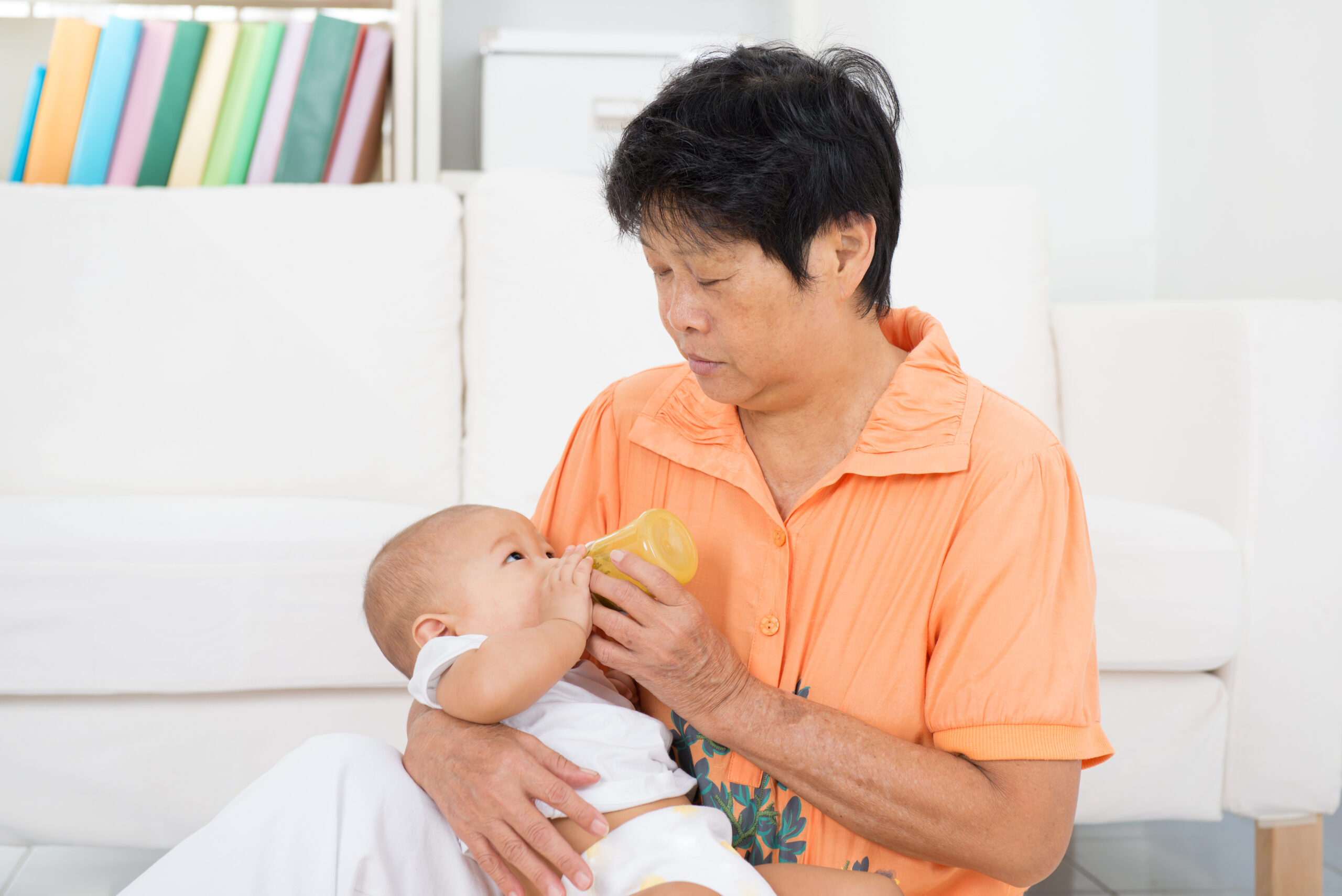
Depending on the agreed terms, confinement nannies in Hong Kong are hired on a one to two months contract. They provide full-time (8-10 hours per day) or round-the-clock (24 hours) support at their employers’ house. On a 8-hour working day, the confinement nanny arrives at the house in the morning, with fresh groceries in hand. She prepares delicious lunch and dinner for the mom, specially designed to promote breastmilk production and speed up recovery. Responsible for all baby-related tasks, she would change diapers, clean umbilical cord, bathe and put the baby to sleep. Depending on the feeding choices of the mother, the confinement nanny would either assist with breastfeeding or bottle feed the infant, burp, then wash and sanitize the bottles. For 24 hour-service, the confinement nanny would stay with the baby at night, so new parents can have enough rest.

Most importantly, confinement nannies are usually experienced mothers themselves. They understand the stress of new parenthood so they provide much-needed support, guidance and companionship.

What qualifications does a confinement nanny/pui yuet have?

In Hong Kong, while there is no official system of regulations on who can practice as a confinement nanny, the industry standard is that one must complete the Foundation Certificate in Post-natal Care Worker Training from Employees Retraining Board (ERB). This is a rigorous 152-hour training that covers everything from newborn feeding, bathing, CPR, to supporting postpartum mothers. There are also many supplementary courses on postpartum nourishment, infant massage, supporting breastfeeding that postnatal nanny can take.

It takes immense courage for parents to entrust someone with the important duty of newborn care. So qualifications, as well as recommendations from past employers are things you should be looking for when hiring confinement nannies.

How can a confinement nanny help?

Professional newborn care

Confinement nannies are professionally trained. From feeding, burping, umbilical care, bathing and putting babies to sleep, they perform newborn caretaking tasks with confidence and ease. Unlike helpers whom you may need to train, confinement nannies show up on the first day with knowledge and expertise. They can also train new parents and other caretakers the best practices when it comes to taking care of a newborn.

Cooking fresh, nutritious postpartum meals that actually taste good

A confinement nanny is trained to plan and cook nutritious meals that promote breast milk production and speed up recovery. Depending on the mother’s delivery method (vaginal or via c-section), the type of food needed post-birth would differ. With a confinement nanny on the job, you could simply sit back and enjoy the delicious food while you rest and recover from birth.

Companionship and counselling in a vulnerable time

The postpartum period can be a lonely and overwhelming time for new mothers. Confinement nannies understand first-hand the physical and mental challenges. With a great amount of time spent under the same roof, they can provide much-needed companionship and emotional support to mothers, helping them feel less isolated and more connected to their newborns. They are also trained to spot early signs of postpartum depression; they can provide counselling to new moms or direct them to mental health resources, if needed.

Their compassion also extends to other members of the family, such as fathers, in-laws and helpers. Through sharing their experience in childcare, confinement nannies offer a source of reassurance to the family, helping them navigate the transition with ease.

Taking your mind off newborn chores so you can bond with the baby

Having a new baby means extra responsibilities. In the early days, there are mountains of baby clothes to wash, bottles to sanitize and diapers to change. With a confinement nanny in your home, these tedious tasks are delegated, so new parents can spend more time resting and bonding with their new baby.

Conclusion

Welcoming a new baby is one of life’s most profound joys. But many new parents found that without enough support, the initial excitement quickly turns into anxiety. The confinement nanny provides exactly that – professional assistance and guidance in a stressful yet special time.

To ensure that you and your newborn receive the best care, take the time to carefully consider a nanny’s qualifications, experience, and recommendations from past employers. Before beginning work, make sure to communicate your needs and expectations so the working relationship is as comfortable as possible.

Angela Li

Born and raised in Hong Kong, Angela is a content writer captivated by the dynamics of family life and the rich cultures around the world. Although travel has taken her to various corners of the globe, she’s always admired her heritage and its timeless wisdom. Through her writing, Angela is now adding her voice to the digital world to promote well-being, sustainable living, and cultural appreciation.

Leave a Reply

Your email address will not be published. Required fields are marked *

@parachute on Instagram
[insta-gallery id="1"]

Press ESC to close

If you’re a mother-to-be in Hong Kong, chances are you have heard of the term confinement nanny, or “Pui Yuet” – which literally translates to “companion for the month”. Traditionally, Chinese mothers observe one month of postpartum confinement, a time for them to rest, recover and bond with their newborn.

Postpartum confinement looks drastically different now from how it was in ancient times – conservative prohibitions (not going out, not washing hair, and bed rest) are no longer observed. Still, it is believed that a good postpartum recovery can have lifelong health benefits to the new mom. So in the stressful postpartum days, many families in Hong Kong hire a confinement nanny/pui yuet – a trained professional to help care for the mother and baby.

What does a confinement nanny/pui yuet do?

Depending on the agreed terms, confinement nannies in Hong Kong are hired on a one to two months contract. They provide full-time (8-10 hours per day) or round-the-clock (24 hours) support at their employers’ house. On a 8-hour working day, the confinement nanny arrives at the house in the morning, with fresh groceries in hand. She prepares delicious lunch and dinner for the mom, specially designed to promote breastmilk production and speed up recovery. Responsible for all baby-related tasks, she would change diapers, clean umbilical cord, bathe and put the baby to sleep. Depending on the feeding choices of the mother, the confinement nanny would either assist with breastfeeding or bottle feed the infant, burp, then wash and sanitize the bottles. For 24 hour-service, the confinement nanny would stay with the baby at night, so new parents can have enough rest.

Most importantly, confinement nannies are usually experienced mothers themselves. They understand the stress of new parenthood so they provide much-needed support, guidance and companionship.

What qualifications does a confinement nanny/pui yuet have?

In Hong Kong, while there is no official system of regulations on who can practice as a confinement nanny, the industry standard is that one must complete the Foundation Certificate in Post-natal Care Worker Training from Employees Retraining Board (ERB). This is a rigorous 152-hour training that covers everything from newborn feeding, bathing, CPR, to supporting postpartum mothers. There are also many supplementary courses on postpartum nourishment, infant massage, supporting breastfeeding that postnatal nanny can take.

It takes immense courage for parents to entrust someone with the important duty of newborn care. So qualifications, as well as recommendations from past employers are things you should be looking for when hiring confinement nannies.

How can a confinement nanny help?

Professional newborn care

Confinement nannies are professionally trained. From feeding, burping, umbilical care, bathing and putting babies to sleep, they perform newborn caretaking tasks with confidence and ease. Unlike helpers whom you may need to train, confinement nannies show up on the first day with knowledge and expertise. They can also train new parents and other caretakers the best practices when it comes to taking care of a newborn.

Cooking fresh, nutritious postpartum meals that actually taste good

A confinement nanny is trained to plan and cook nutritious meals that promote breast milk production and speed up recovery. Depending on the mother’s delivery method (vaginal or via c-section), the type of food needed post-birth would differ. With a confinement nanny on the job, you could simply sit back and enjoy the delicious food while you rest and recover from birth.

Companionship and counselling in a vulnerable time

The postpartum period can be a lonely and overwhelming time for new mothers. Confinement nannies understand first-hand the physical and mental challenges. With a great amount of time spent under the same roof, they can provide much-needed companionship and emotional support to mothers, helping them feel less isolated and more connected to their newborns. They are also trained to spot early signs of postpartum depression; they can provide counselling to new moms or direct them to mental health resources, if needed.

Their compassion also extends to other members of the family, such as fathers, in-laws and helpers. Through sharing their experience in childcare, confinement nannies offer a source of reassurance to the family, helping them navigate the transition with ease.

Taking your mind off newborn chores so you can bond with the baby

Having a new baby means extra responsibilities. In the early days, there are mountains of baby clothes to wash, bottles to sanitize and diapers to change. With a confinement nanny in your home, these tedious tasks are delegated, so new parents can spend more time resting and bonding with their new baby.

Conclusion

Welcoming a new baby is one of life’s most profound joys. But many new parents found that without enough support, the initial excitement quickly turns into anxiety. The confinement nanny provides exactly that – professional assistance and guidance in a stressful yet special time.

To ensure that you and your newborn receive the best care, take the time to carefully consider a nanny’s qualifications, experience, and recommendations from past employers. Before beginning work, make sure to communicate your needs and expectations so the working relationship is as comfortable as possible.

Angela Li

Born and raised in Hong Kong, Angela is a content writer captivated by the dynamics of family life and the rich cultures around the world. Although travel has taken her to various corners of the globe, she’s always admired her heritage and its timeless wisdom. Through her writing, Angela is now adding her voice to the digital world to promote well-being, sustainable living, and cultural appreciation.