
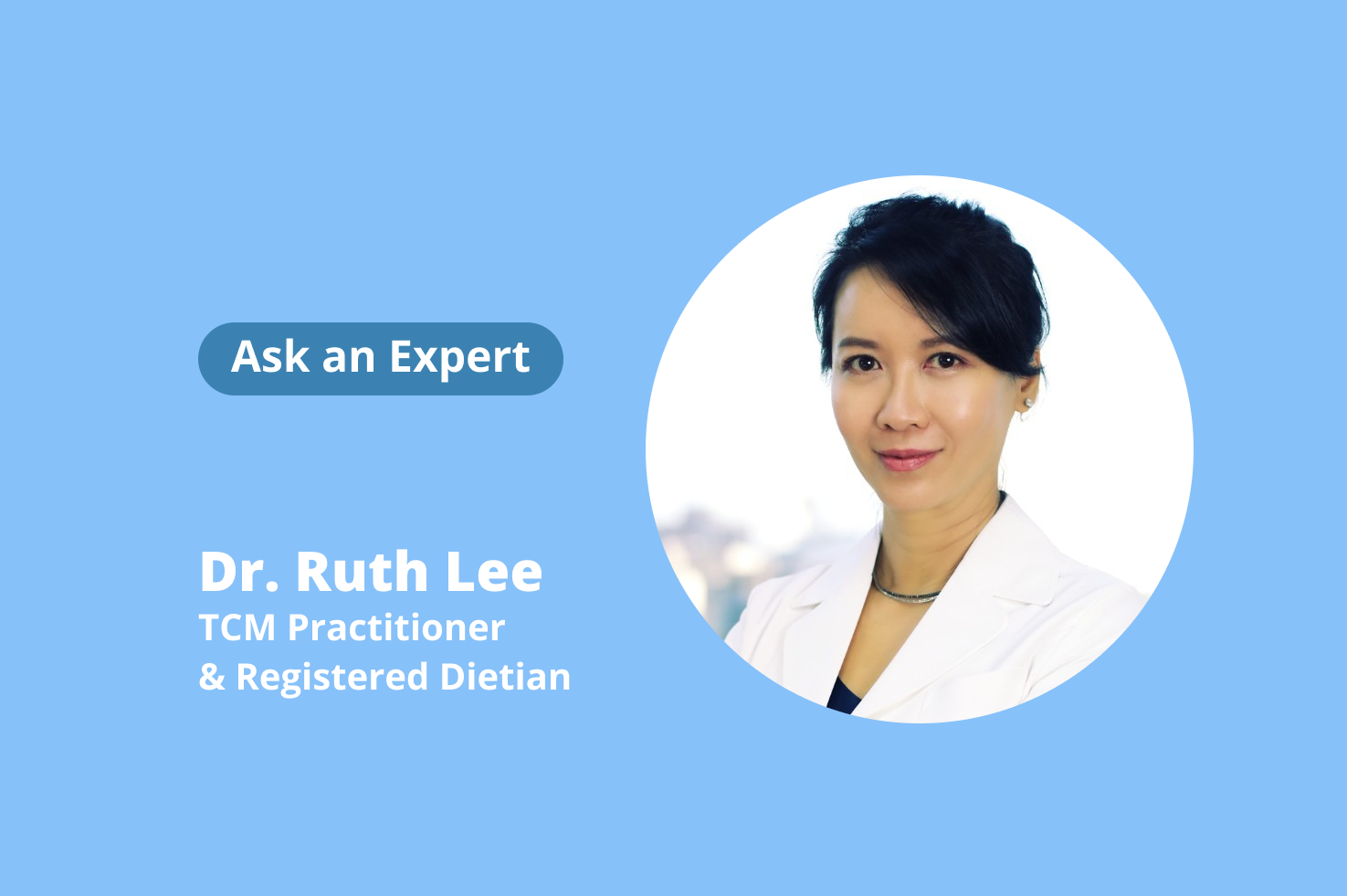
This week, we sat down with Master Ruth Lee, Traditional Chinese Medicine (TCM) Practitioner and Registered Dietician. We talked about how TCM can help women from pregnancy to postpartum.
Tell us about your journey in becoming one of the most sought after TCM practitioners in Hong Kong.
Many people don’t know this, TCM is actually my second career. I used to be a creative director of a renowned multinational marketing corporation, living a glamorous but high stress life. One day, one of my peers died suddenly from overwork, and it was a wakeup call for me to change my life completely.
I started studying Chinese Medicine in my 40s – I was the oldest in the class so I worked ten times harder to catch up. Eventually I graduated top of class at Beijing University of Chinese Medicine. After graduating, I practiced in top hospitals in China and also obtained a dietitian license in China.
What sets me apart as a TCM practitioner is that I use an integrated approach combining herbal formula, acupuncture, Tui Na, cupping, and nutritional therapy. I try to create an enjoyable experience for my patients the moment they walk into my clinic. I also specialize in women’s health; many of my patients I have cared for from preconception to pregnancy to postpartum, and became great friends with them.
In the first trimester, morning sickness (or all day sickness for some) can be brutal. How can TCM help alleviate the symptoms?
There is no one solution for morning sickness. As a TCM practitioner, I need to first pinpoint the cause of the patient’s morning sickness, whether it has to do with digestive issues or a weak liver which may be caused by emotional stress. After diagnosing the root cause, I would determine which treatment, whether it’s acupuncture, acupressure, ear seed, aromatherapy, food therapy or a combination of those that are most suitable.
I want to point out that the ear is a powerful nexus of energy, through which the entire body is connected within its concentric folds. When used correctly, auriculotherapy (ear-seeds therapy) can be especially effective in treating nausea.
In the last trimester, many women suffer from backaches and swelling. How can TCM help with these symptoms?
Swelling is usually caused by weakness in the liver, spleen and kidney. So a combination of acupuncture, acupressure and food therapy can improve blood circulation, increase metabolism and reduce swelling.
For backaches, I highly recommend combining acupuncture with chiropractic care. Because chiropractic care resets the bones, and acupuncture resets the muscles and unblock the meridians(pathways for energy flow); the two used in combination are very effective in correcting posture, creating more space for the pelvic and thus reducing backache.
What is fetal detox?
Suboptimal diet, emotional distress, poor sleep, lack of exercise and environmental pollution can cause toxins to accumulate inside a pregnant woman’s body. The symptoms could look like hot flashes, headache, constipation, skin rashes or acne, bad breath and dark urine. I recommend starting fetal detox at around 32 weeks, to reduce the chance of the baby having eczema or other digestive issues. Cooling food such as raw coix seeds, winter melon and dried lotus stamen are good options for fetal detox. If symptoms are severe, I would prescribe some herbal remedies.
The postpartum diets for vaginal vs. c-section birth moms, how do they differ?
Moms that delivered via c-section have a major wound on their body, so in the first few days, they need to eat light and avoid overly oily food. In terms of postpartum nourishment, C-section moms are also on a delayed schedule compared to vaginal birth moms. Foods that tonify the blood need to wait until lochia goes away or the wound is healing.
The Chinese believe the postpartum period presents a golden opportunity to revitalize a woman’s body. But people often don’t realize postpartum nourishment needs to be conducted in an orderly fashion. Overly warming or nourishing food, if consumed incorrectly (too much or too early), can actually be detrimental.
You’ve recently launched a confinement soup service for postpartum moms. Why did you feel the need to create it?
I felt like there was a need in the market. Most families in Hong Kong would hire a postnatal nanny/confinement lady/pui yuet, but they are not well versed in postpartum nourishment, especially soups that involve TCM ingredients. Of course, every new mom needs nourishment post birth, but depending on the body type and delivery method, the kind of food she needs is very different. Some families bought very expensive herbal medicine, only to have it have an adverse effect because they are not consumed correctly. So I created a package where I offer an online consultation in the beginning, to get to know the woman’s medical history and body type. With that information, I can tailor make a confinement soup solution that works for her.
What advices would you give to new moms today?
Oh it’s been a while, my son is almost 30 now. I guess my advice is to not worry so much. A lot of things that seemed like such a big deal at the moment, in hindsight, are not a big deal. Enjoy the present moment and take it easy.

Rosalind Bei
A proud mom to two adorable little girls, Rosalind is the founder of Parachute. She started Parachute out of her own frustrations in finding postnatal nannies in Hong Kong. Her vision is to make postpartum help more accessible than ever, so those early parenting days can be filled with more cuddles, confidence and peace.
Leave a Reply