According to Dr. Robyn Horsager, M.D. of UT Southwestern Medical centre, these are the potential causes of PPD in men:
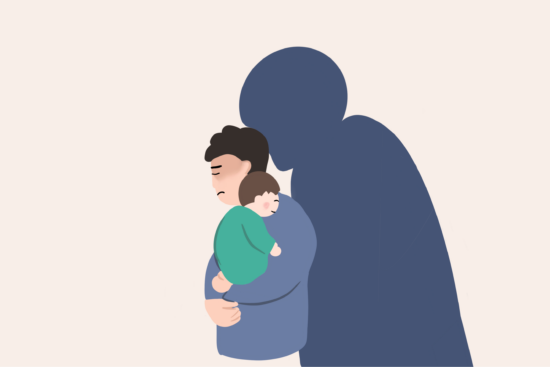
Partner’s depression: When the pregnant partner is depressed or the new mum is experiencing baby blues/ PPD, it has a direct impact on up to 50% of the fathers.
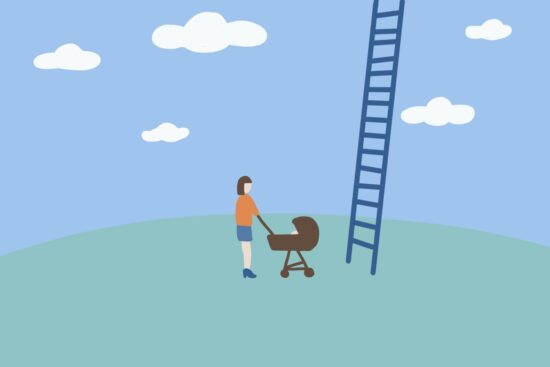
Feeling disconnected: After childbirth, the mom and the baby has a unique connection especially strengthened by breastfeeding. Fathers often feel like they are on the “outside”, feeling disconnected from the baby and sometimes their partner too
Struggling with Work/Life balance: Dads who worked a lot previously and are unable to find enough time to reconnect with the partner and baby often feel depressed and disconnected.
Sleep deprivation: Many studies show that anxiety and depression are linked to poor sleep quality, and with a new-born in the house the loss of routine sleep is almost inevitable!
Hormonal changes: A novel study published by the Scientific American shows that fathers experience a drop in testosterone levels before the baby is born. This drop is associated with mood swings, fatigue and is a major cause of depression.
What does PPD in men look like?
Two new fathers opened up to Colleen de Bellefonds, a writer from the blog What to Expect, about their experiences with PPD:
“I withdrew from friends. I stopped doing things that I used to enjoy, like going to the gym and meeting up with buddies. My work performance started to suffer. It seemed like my mind was always racing, and I no longer had the mental capacity to want to push myself at work.”
“I felt as if I was being left behind in this difficult phase of parenthood, and those feelings just spiralled more out of control and became more intense.”
Although there aren’t enough studies done yet to show the exact symptoms of paternal PPD, there are several tell-tale signs that can be associated with depression and anxiety following new fatherhood:
Withdrawal from the relationship with the partner or baby – acting distant
Frequent cycle of negative thoughts – hopelessness, anxiousness, emptiness, worthlessness, irritability or anger
Difficulty in concentrating or decision-making, often accompanied by restlessness and lack of energy or motivation
Loss or appetite and sleep, often accompanied by constant body pains
So how can PPD in men be treated?
Partners should take time to regularly to check in with the father. Showing concern and providing a safe place for them to express their feelings without judgement is vital. Rekindling the connection can definitely help
Finding a community of new dads who share the same feelings can help alleviate the anxiety.
Psychotherapy with a professional can help clearly navigate the overwhelming feelings
If the mother also experiences PPD, couples counselling would be a great choice!
Alternative therapies such as meditation classes, exercise, massages, yoga and music therapy
Conclusion
Being a new dad comes with many physical, emotional, mental and financial changes which can be undoubtedly overwhelming. If you or your loved ones struggle with PPD, seek professional help so you can take better care of yourself, your partner and your child.
Sanchal Sanchayyan
Hello! I am Sanchal, a Hong Kong-Indian Medical graduate from HKU. My aim is to utilize my medical training and knowledge to produce bite-sized, well-researched articles to help parents make informed decisions. I am an avid reader, writer and traveller and hope to make a positive impact to thousands of lives in the decades to come!