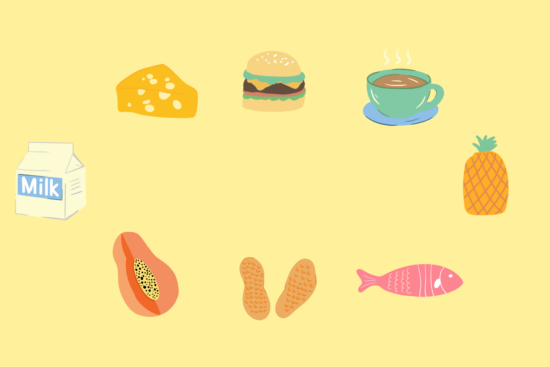
Pregnancy Diet Myths and Facts
Pregnancy is a crucial time for both the mother and the developing fetus. It is…

Pregnancy is a crucial time for both the mother and the developing fetus. It is…
Pregnancy is a crucial time for both the mother and the developing fetus. It is essential to follow a healthy and balanced diet during pregnancy to ensure the healthy growth and development of the baby. However, there are many misconceptions about pregnancy diets, some of which can be harmful. In this article, let’s bust some common myths about pregnancy diets.
The recommended upper limit of caffeine is 220mg per day (approximately 2 cups of coffee). There is no scientific proof pointing to this amount of caffeine being detrimental to fetal health; according to the Australian Department of Health & Aging, consuming caffeine in moderate amounts is not linked to and any harm during pregnancy. However, it is important to note that caffeine exists in other foods such as chocolate and tea as well and excessive consumption of caffeine can restrict fetal growth within the uterus.
The old saying “you are eating for two” can be dangerous if taken literally. You don’t need to consume extra calories in the first trimester. Depending on your activity levels, you should consume around 300 more calories (that’s about a medium sized bagel) in the second trimester, and around 350 – 450 more in the third. Too much weight gain can increase the risk of diabetes, hypertension and even a C-section.
Fish and seafood are an excellent source of protein and omega-3 fatty acids which beneficial for both the mother and the baby. However, some types of fish and seafood contain high levels of mercury, which can harm the developing nervous system of the fetus. Therefore, it is recommended that pregnant women limit their intake of certain fish and seafood, such as shark, swordfish, king mackerel, and tilefish, which are high in mercury. But low mercury fish such as salmon, shrimp, tuna and catfish are rich in omega-3 fatty acids, and excellent food to consume during pregnancy.
There is no evidence to suggest that eating peanuts and dairy during pregnancy causes allergies in the baby. In fact, recent research suggests that consuming peanuts during pregnancy may reduce the risk of peanut allergy in the baby.
Similarly, there is no evidence to suggest that consuming dairy products during pregnancy causes allergies in the baby. Dairy products are an excellent source of calcium and other essential nutrients, which are crucial for the baby’s bone and teeth development. However, if you are lactose intolerant or have a family history of peanut allergy, you may need to find alternative sources of calcium and other nutrients or consult a healthcare professional to strategically alter your diet.
Deli meat and soft cheese made from unpasteurized milk may contain listeria. Listeriosis, an infection cause by listeria can cause miscarriage, premature labour, and even infant death.
Craving a cold cut sandwich with cheese? Ensure the deli meat it is reheated to temperature of 165°F or until steaming hot. With cheese, ensure its made from pasteurised milk, i.e. the milk is heated below its boiling point for a short period to kill up to 99% of its germs.
Unripe papaya contains latex which can promote contractions of the uterus and consequently early labour. Ripe papayas, on the other hand, is completely safe to consume. The fruit is good source of vitamin C, which is an important nutrient for foetal immune system. It also contains potassium which is important for the neural development of baby.
A common belief is that the enzyme bromelain in pineapple can trigger labor or cause miscarriage, when consumed in large quantity. However, the enzyme is concentrated in the core of the pineapple, which we don’t normally consume. The amount of bromelain in one serving of pineapple is unlikely to impact your pregnancy and its moderate consumption is deemed entirely safe.
Both food are rumored to cause miscarriage in early pregnancy. However, there are no evidence to support such claims. Black fungus and eggplant are rich in vitamins, minerals, fibers and assist with blood circulation. Moderate consumption of black fungus and eggplant is completely safe during pregnancy.
During your pregnancy, you might find yourself constantly googling “Can I eat this” before meal time. If you are ever in doubt, please consult your OBGYN or midwife, who can give the best recommendations when it comes to pregnancy diet dos and don’ts.

Hello! I am Sanchal, a Hong Kong-Indian Medical graduate from HKU. My aim is to utilize my medical training and knowledge to produce bite-sized, well-researched articles to help parents make informed decisions. I am an avid reader, writer and traveller and hope to make a positive impact to thousands of lives in the decades to come!